Epitalon Effects and Safety: What People Felt and What Studies Warn About
User reports tell you what someone noticed. They can't show that Epitalon caused it or that the substance is safe.
What people felt and what studies found
A Russian team built Epitalon from four protein parts to study aging, sleep, and how long cells keep working, but that aim never became proof of a benefit for you. The early results mostly came from cells and animals.
The four parts came from epithalamin, an older mix taken from a cattle brain gland. Epitalon itself is made in a lab.
Some people who used it report deeper sleep or more daytime energy. Many report no change at all.
Those stories aren't measurements, and no fair trial has checked them. They don't show that Epitalon caused what a person felt.
Studies also raise risks worth knowing. Epitalon isn't approved, and one team produced most of the work.
It may turn on telomerase, a cell enzyme that helps cells keep dividing. Since cancer cells often use that enzyme, long-term risk is still unknown.
I keep personal stories apart from study warnings. Neither kind gives you a dose or care plan.
What people say Epitalon changed
These stories come from people who bought research-marked vials and used Epitalon on their own, outside a controlled study that could test whether the substance caused what they felt. No trial has checked these accounts.
What some people liked. Better sleep is the most common report. Some people say they fell asleep faster.
Others say they woke with less grogginess or had more energy by day. Better sleep or simple hope could explain either change.
Some people describe feeling younger, calmer, or less tired. A few say their skin, hair, or nails looked better.
No test measured those changes before and after use. You can't know whether Epitalon caused them or whether they lasted.
What some people disliked. Many felt no clear effect during or after a short course followed by a break.
Soreness, redness, or a small bruise at the needle spot are common complaints. Those problems may come from the shot itself.
A few people mention brief sleepiness, vivid dreams, headache, or feeling lightheaded. The stories don't agree, and no study has checked them.
Some users and doctors doubt what is inside research vials. No drug agency checks each research vial like an approved medicine.
Each item is one person's story, not a result you can expect. The reports aren't tied to any dose.
People also describe paying a lot and feeling let down. One person's story can't prove the large claims about aging.
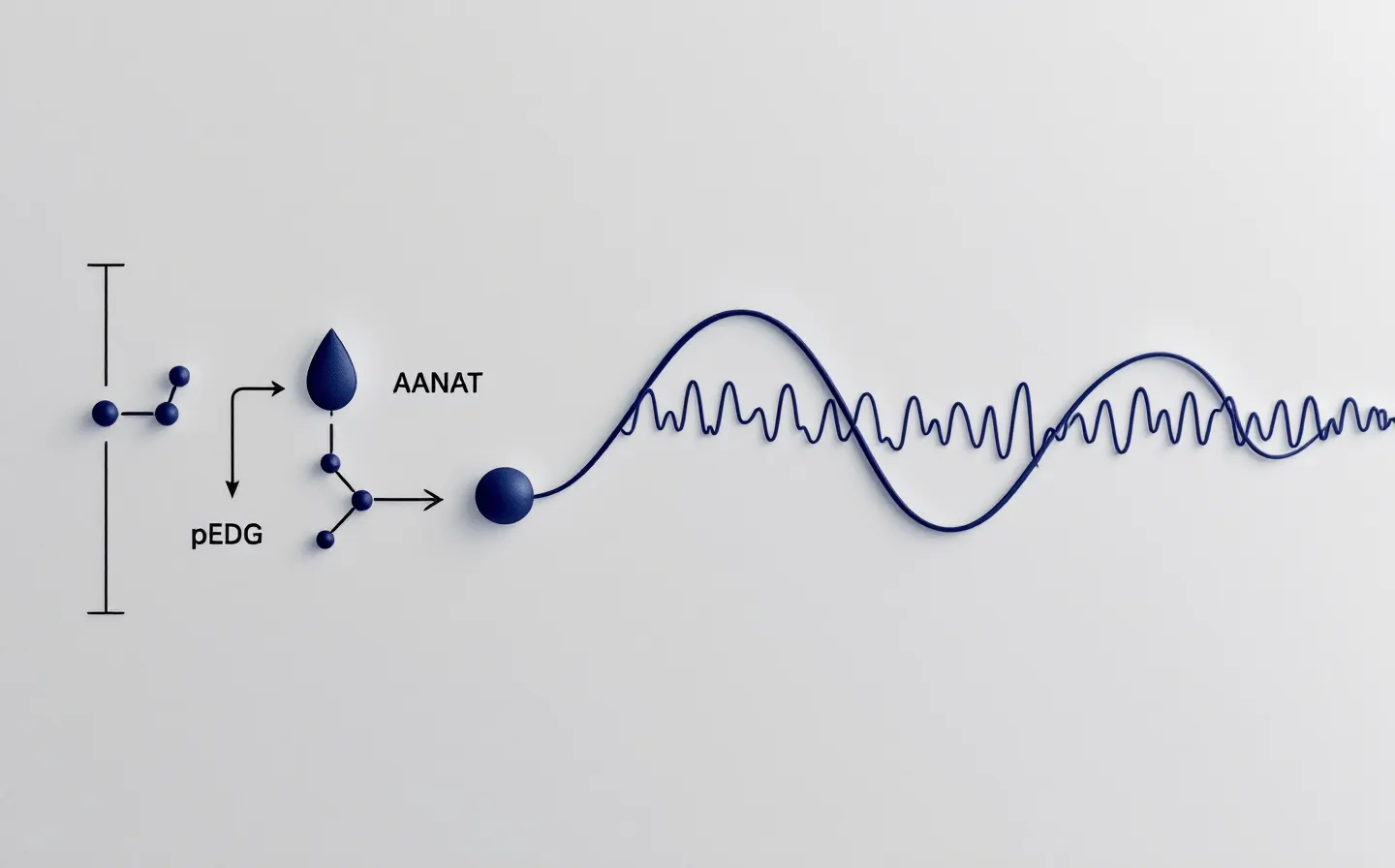
What might put your health at risk
These points come from studies. They call for care but don't prove Epitalon harmed anyone.
It isn't an approved medicine. Epitalon lacks approval from the FDA and the drug agencies serving europe and britain [4].
It hasn't passed the safety, purity, and strength checks used for approved drugs. Epitalon isn't a dietary supplement either.
One group supplied most results. The first human-cell result and many aging claims came from the St. Petersburg group [1].
A finding is less sure until another team gets it too. An early claim may not hold up.
The human study wasn't a fair trial. It followed 266 older people for 6-8 years [2].
People weren't assigned by chance, and the study had no sound placebo. Those flaws make both the claimed gain and safety record hard to trust.
Cancer remains a fair concern. Telomerase helps healthy cells divide longer, but most cancers use it too.
A 2025 dish study found longer telomeres in breast-cancer cells after Epitalon [5]. No one knows what that means for long-term use in people.
Long-term safety hasn't been tested. No long fair trial has followed what Epitalon does throughout a person's body [4].
Small studies reported few bad events. That silence doesn't give you a clean safety record over many years.
Some animal work found fewer tumors. One rat test used a single 1 microgram shot under the skin [16].
That tiny shot was followed by less colon cancer caused in the lab. One narrow animal test can't show that Epitalon prevents cancer or is safe for you.
What Epitalon side effects may mean for you
Small studies reported few Epitalon side effects. That may reflect small, weak studies more than true long-term safety [4].
User complaints include soreness after a shot, brief sleepiness, vivid dreams, and headache. None is tied to a set amount or proved cause.
The two larger worries may not cause a symptom you can feel. One is the unknown cancer risk from helping cells divide longer [5].
The other is not knowing what an unchecked research vial contains. Either risk matters more than a short list of mild complaints.
The current record is incomplete, not clean. This page gives you context, not a dose or advice to use Epitalon.
How Epitalon grew from older pineal work
Soviet and Russian scientists began studying small protein pieces from the pineal gland in the 1970s and 1980s. Vladimir Khavinson's team first worked with epithalamin, a mix from cattle glands.
The team hoped the mix might affect aging and melatonin, the hormone that times sleep. Later, it made Epitalon from four protein parts in that mix.
The group then studied cell aging, life span, and sleep timing. Most results still trace back to that same group.
Epitalon remains unapproved after decades of work. Outside teams added a cell study and a broad review in 2024-2025 [1].
That history helps you weigh the claims. Many years of study aren't the same as strong human proof.